Anti-Inflammatory Foods: Nutritional Strategies for Recovery
Inflammation and Training Response
Acute inflammation post-exercise represents normal adaptation. However, chronic low-grade inflammation from poor nutrition and lifestyle accelerates aging and disease. Strategic food choices modulate this inflammatory response.
Key Anti-Inflammatory Compounds
Omega-3 Fatty Acids: Found in fatty fish, walnuts, and flaxseed. These polyunsaturated fats reduce inflammatory markers significantly.
Polyphenols: Plant compounds in berries, dark chocolate, and green tea with powerful antioxidant properties.
Curcumin: Active compound in turmeric with documented anti-inflammatory effects.
Anthocyanins: Pigments in blueberries, blackberries, and red cabbage supporting recovery.
Top Anti-Inflammatory Foods
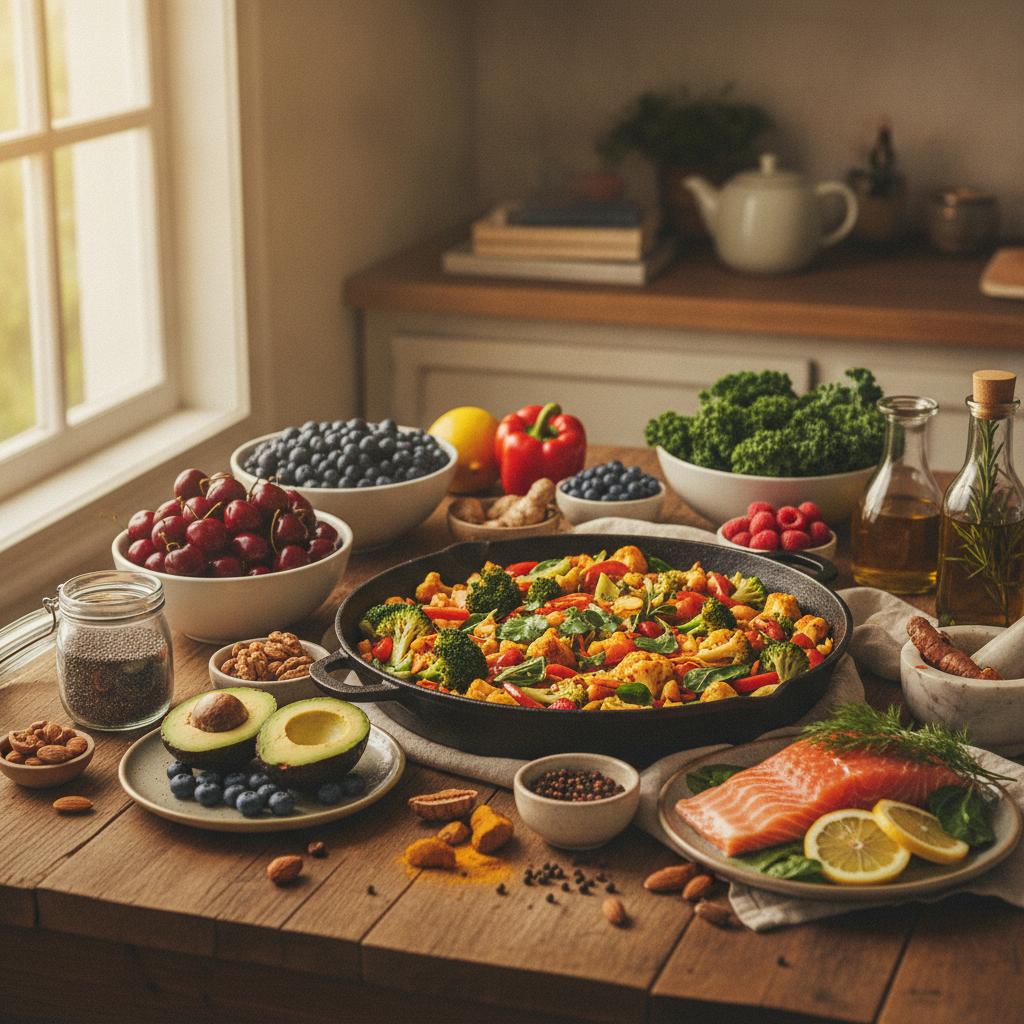
- **Fatty fish**: Salmon, mackerel, sardines rich in omega-3s
- **Berries**: Especially blueberries and tart cherry juice
- **Leafy greens**: Spinach, kale, collard greens
- **Extra virgin olive oil**: Rich in polyphenolic compounds
- **Nuts and seeds**: Almonds, walnuts, flaxseeds
- **Whole grains**: Oats, brown rice, quinoa
Tart Cherry Juice for Athletes
Tart cherry juice demonstrates particular promise for exercise recovery. Studies show consumption reduces muscle soreness, accelerates recovery, and improves sleep quality post-intense exercise.
Anti-Inflammatory Meal Framework
Build each meal around quality protein, colorful vegetables, healthy fats, and whole grains. Mediterranean dietary patterns show strongest inflammatory reduction in research.
Complementary Lifestyle Factors
Nutrition represents one tool. Sleep, stress management, regular movement, and avoiding excessive alcohol multiply anti-inflammatory benefits. Combine these approaches for optimal recovery.
Individual Responses Vary
Some people respond dramatically to dietary anti-inflammatory changes; others notice modest effects. Experiment for 4-6 weeks monitoring energy, recovery quality, and soreness before assessing personal benefit.