Core Stability Exercises Beyond Crunches and Sit-Ups
Understanding True Core Strength
The core extends far beyond the rectus abdominis. Your core includes the transverse abdominis, obliques, erector spinae, and diaphragm—muscles that work together to stabilize your spine during movement.
Why Traditional Crunches Fall Short
Crunches isolate the rectus abdominis and place excessive stress on the cervical spine. They don't train the core's primary function: stabilizing your trunk during dynamic movement. Modern fitness science emphasizes functional core training instead.
Superior Core Stability Exercises
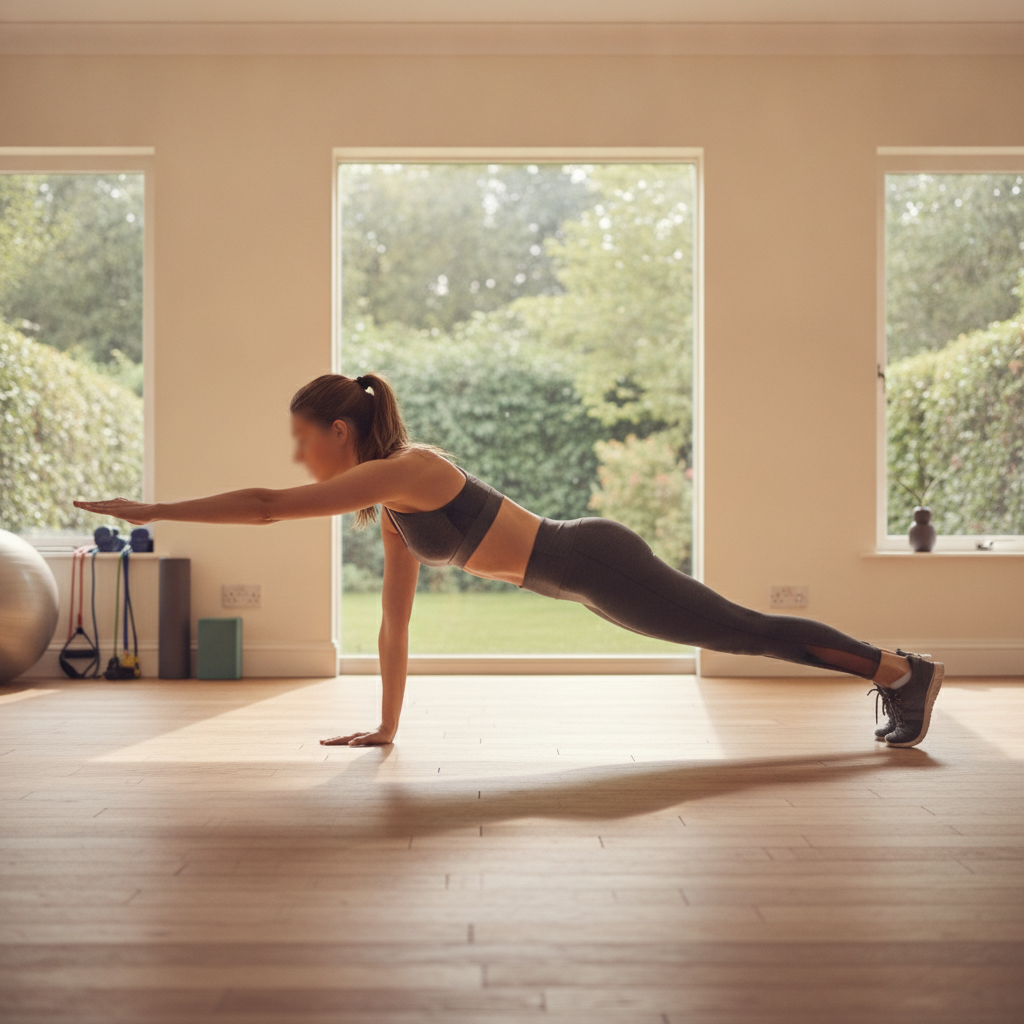
Plank Variations: Hold your body rigid like a board, engaging all core muscles. Progress to side planks and moving planks.
Dead Bugs: Lie on your back and extend opposite arm and leg while maintaining neutral spine position.
Pallof Presses: Use a cable machine to resist rotational forces, building anti-rotation strength essential for injury prevention.
Turkish Get-Ups: This complex movement integrates core stability with shoulder mobility and full-body coordination.
Integration with Movement
The most effective core training occurs during compound exercises like squats and deadlifts where your core stabilizes under load. Supplemental core work should complement these movements.
Progression Timeline
Begin with basic planks and dead bugs for 2-3 weeks. Progress to challenging variations only when you can maintain perfect form throughout. Most people see improved posture and reduced back pain within 4-6 weeks of consistent practice.