Sleep Apnea in Men: Causes, Consequences, and Treatment
What is Sleep Apnea?
Sleep apnea involves repeated breathing interruptions during sleep. Each interruption lasts 10+ seconds, depriving the brain of oxygen. These can occur dozens or hundreds of times nightly.
Men are 2-3 times more likely to have sleep apnea than women, particularly before women reach menopause.
Types of Sleep Apnea
Obstructive sleep apnea (most common) involves airway collapse. Excess weight, large neck circumference, and anatomical factors increase risk.
Central sleep apnea involves disrupted breathing signals from the brain.
Mixed sleep apnea combines both mechanisms.
Risk Factors in Men
- Obesity (strongest risk factor)
- Neck circumference over 17 inches
- Age (more common with age)
- Male sex
- Hypertension
- Family history
- Alcohol consumption
Symptoms and Consequences
Symptoms:
- Loud snoring
- Witnessed breathing pauses
- Excessive daytime sleepiness
- Morning headaches
- Difficulty concentrating
- Mood changes
Health consequences if untreated:
- Heart disease
- Stroke
- High blood pressure
- Atrial fibrillation
- Sudden death
- Accidents from daytime sleepiness
Sleep apnea dramatically increases mortality risk if left untreated.
Diagnosis
Sleep apnea is diagnosed through sleep study (polysomnography). Home sleep testing is convenient and often covered by insurance if suspicion is high.
Treatment Options
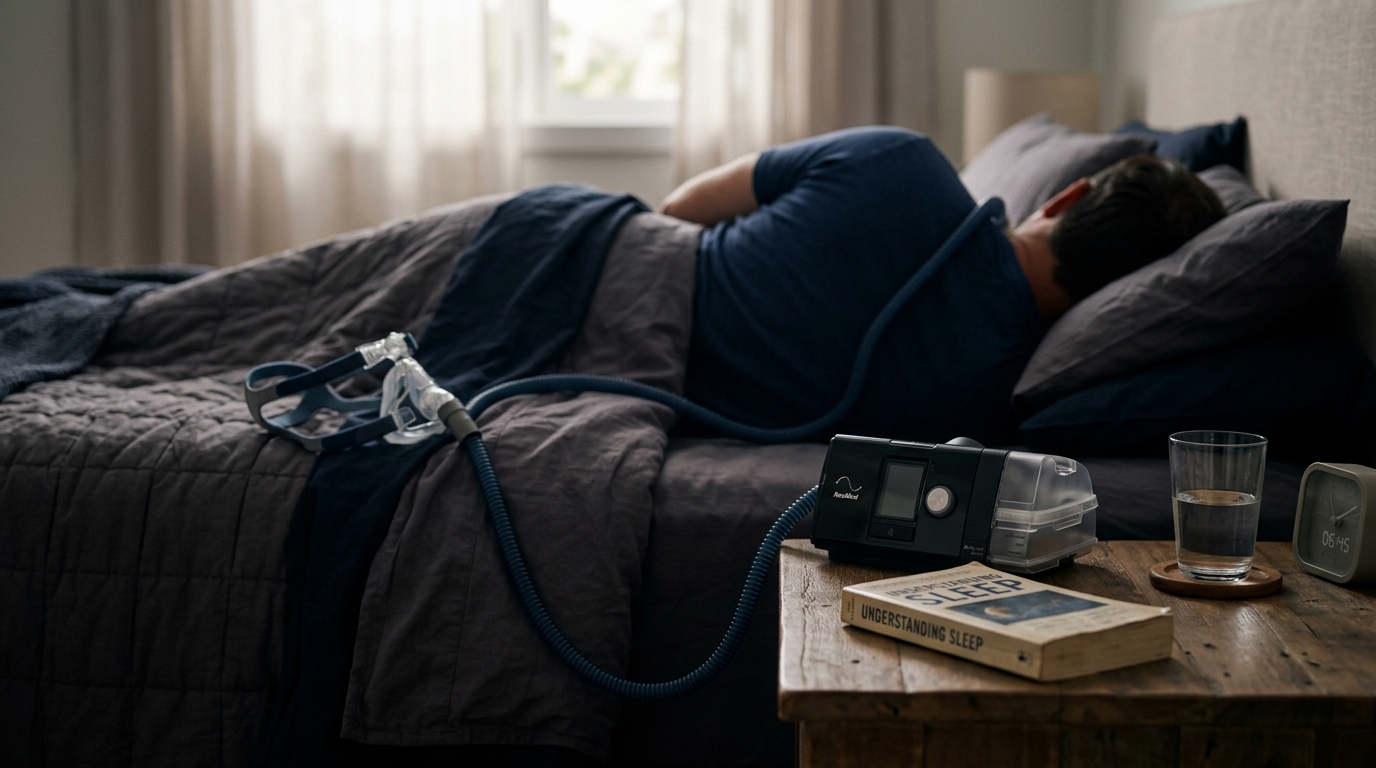
CPAP (Continuous Positive Airway Pressure): Gold standard treatment. A mask delivers pressurized air, keeping airways open. Effective but requires nightly use.
Other devices: BiPAP, APAP, dental devices provide alternatives.
Lifestyle modifications: Weight loss dramatically improves or resolves sleep apnea. Positional therapy (sleeping on side) helps mild cases. Avoiding alcohol and sedatives improves symptoms.
Surgery: For some anatomical problems, surgery may help.
Following Treatment
Consistent treatment dramatically reduces cardiovascular risks and improves quality of life. Many men initially resist CPAP but feel dramatically better after adaptation.
Screening
Men with risk factors or symptoms should discuss screening with healthcare providers. Untreated sleep apnea is a serious health threat.