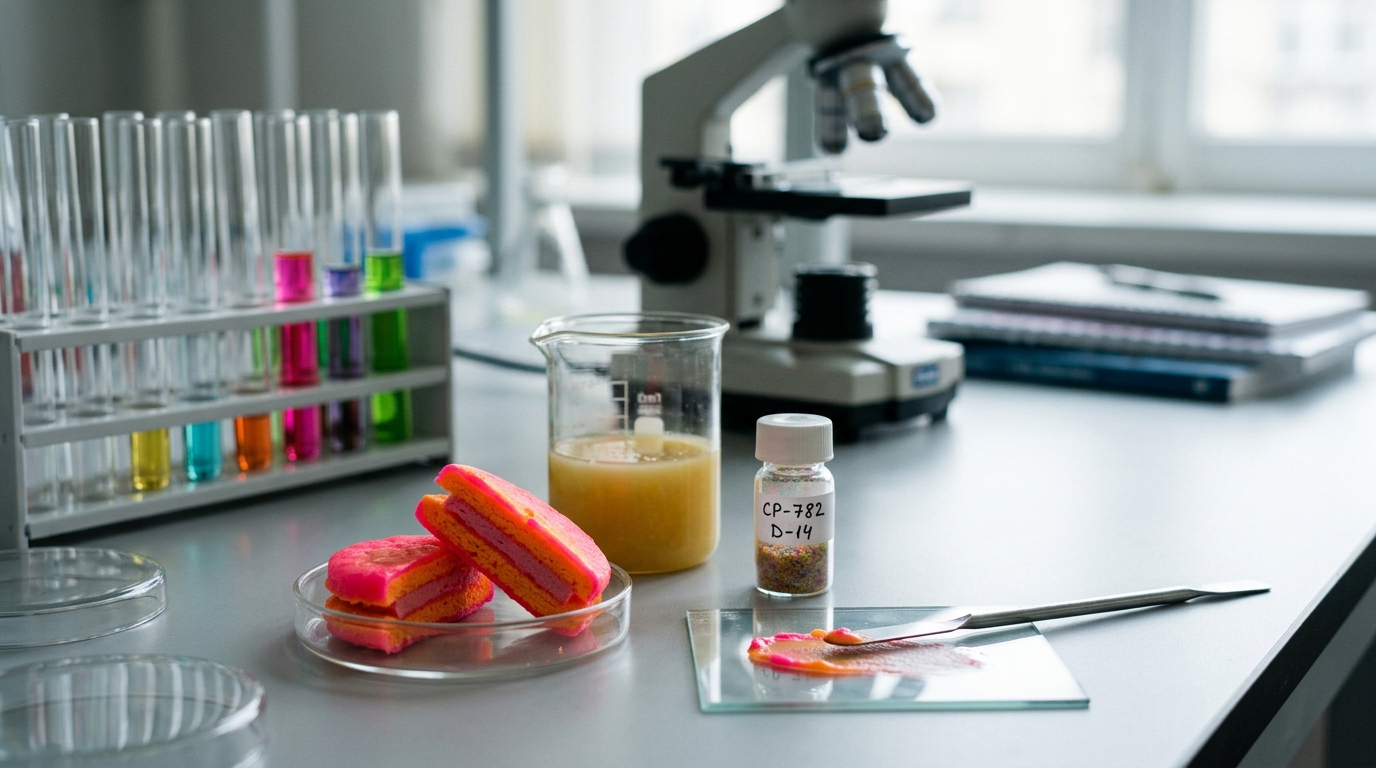
Ultra-processed foods now constitute over 60% of calories consumed in the United States. The health implications of this dietary shift are increasingly difficult to ignore.
Defining Ultra-Processed
The NOVA system categorizes foods into four groups. Ultra-processed foods are industrial formulations made from substances derived from foods plus additives. They include soft drinks, packaged snacks, reconstituted meat products, and most breakfast cereals.
The Health Evidence
A 2024 umbrella review analyzed 45 meta-analyses covering nearly 10 million participants. Higher UPF consumption was associated with increased risk of cardiovascular disease (50%), type 2 diabetes (40%), depression (48-53%), and all-cause mortality (21%).
Mechanisms of Harm
Emulsifiers disrupt the gut mucosal barrier. Artificial sweeteners alter microbiome composition. The hyper-palatable combination of sugar, fat, and salt overrides natural satiety signals.
Practical Reduction Strategies
Complete elimination is unrealistic. Instead, focus on gradual displacement: replace packaged cereals with oats, swap soft drinks for water, choose whole fruit over fruit-flavored snacks, and prepare more meals from whole ingredients.
Reading Labels Effectively
If the ingredient list contains more than five items, or includes substances you cannot picture in natural form, it is likely ultra-processed.